
Family Meal Subscriptions vs Ordering One Meal at a Time in Atlanta
"Family meal plans" gets typed into search by two different people with two different problems. One wants a recurring subscription that shows up on the same day every week, whether or not that week goes as planned. The other wants to feed a household on a random Tuesday without signing up for anything ongoing. If you're comparing a meal-kit-style subscription against ordering dinner only when you actually need it, the honest answer isn't that one model is universally better - it's that they solve different problems, and for most Atlanta households, ordering only when needed turns out to be the lower-cost, lower-waste option.
What a Subscription Actually Locks You Into
Most meal-kit subscription services work the same way underneath the branding. You choose a plan size - often 3 or 4 meals a week for a family of four - a delivery day gets locked into your account, and a box arrives whether your week goes as planned or not. Skipping a week means logging in before a cutoff, usually several days ahead of the delivery date, to pause that shipment; miss the cutoff and you're paying for ingredients you never asked for. And a subscription box isn't dinner - it's raw or partially prepped ingredients plus a recipe card, so you're still doing 30 to 45 minutes of active cooking before anyone eats.
How One-Off Ordering Works at Mai Thai Instead
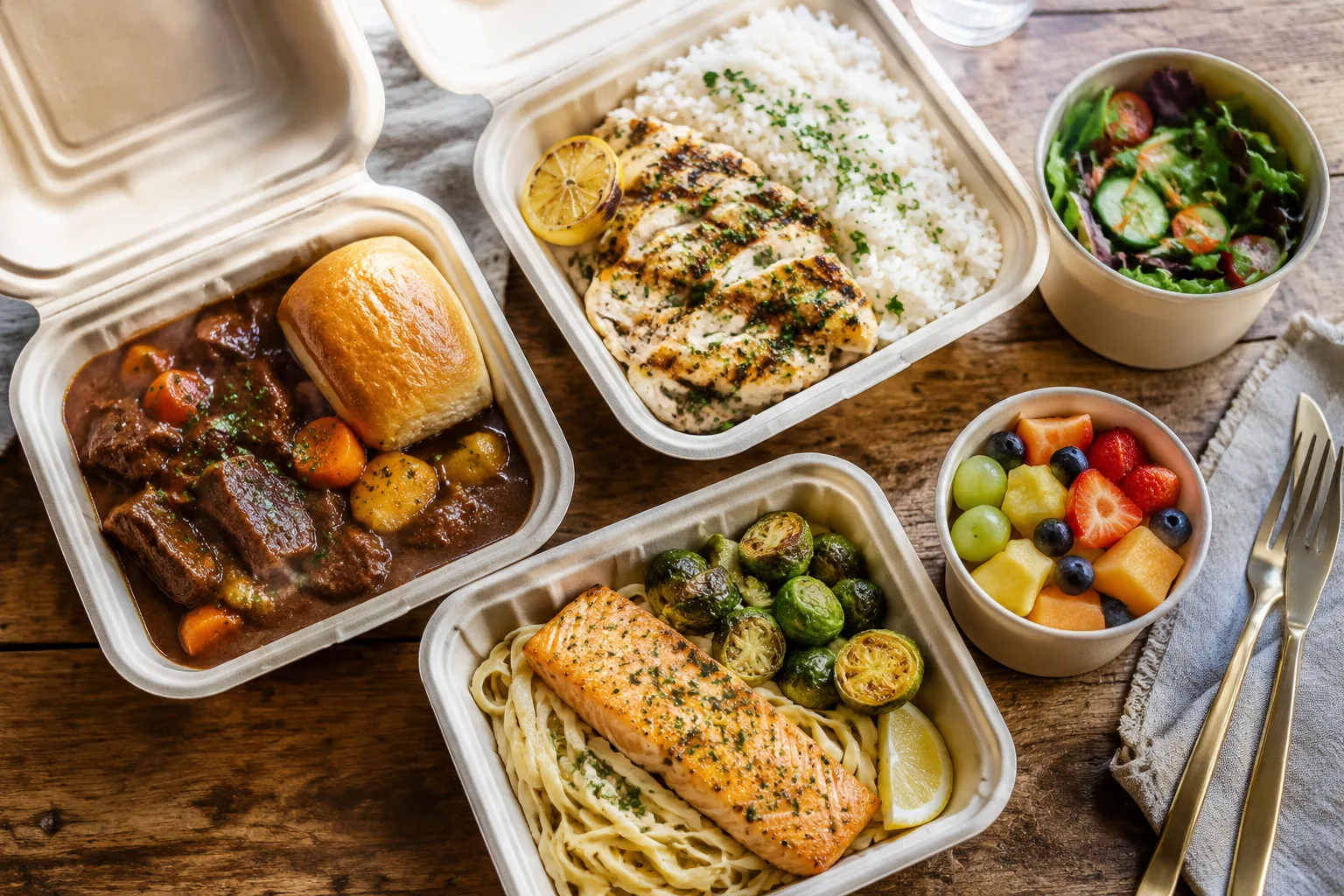
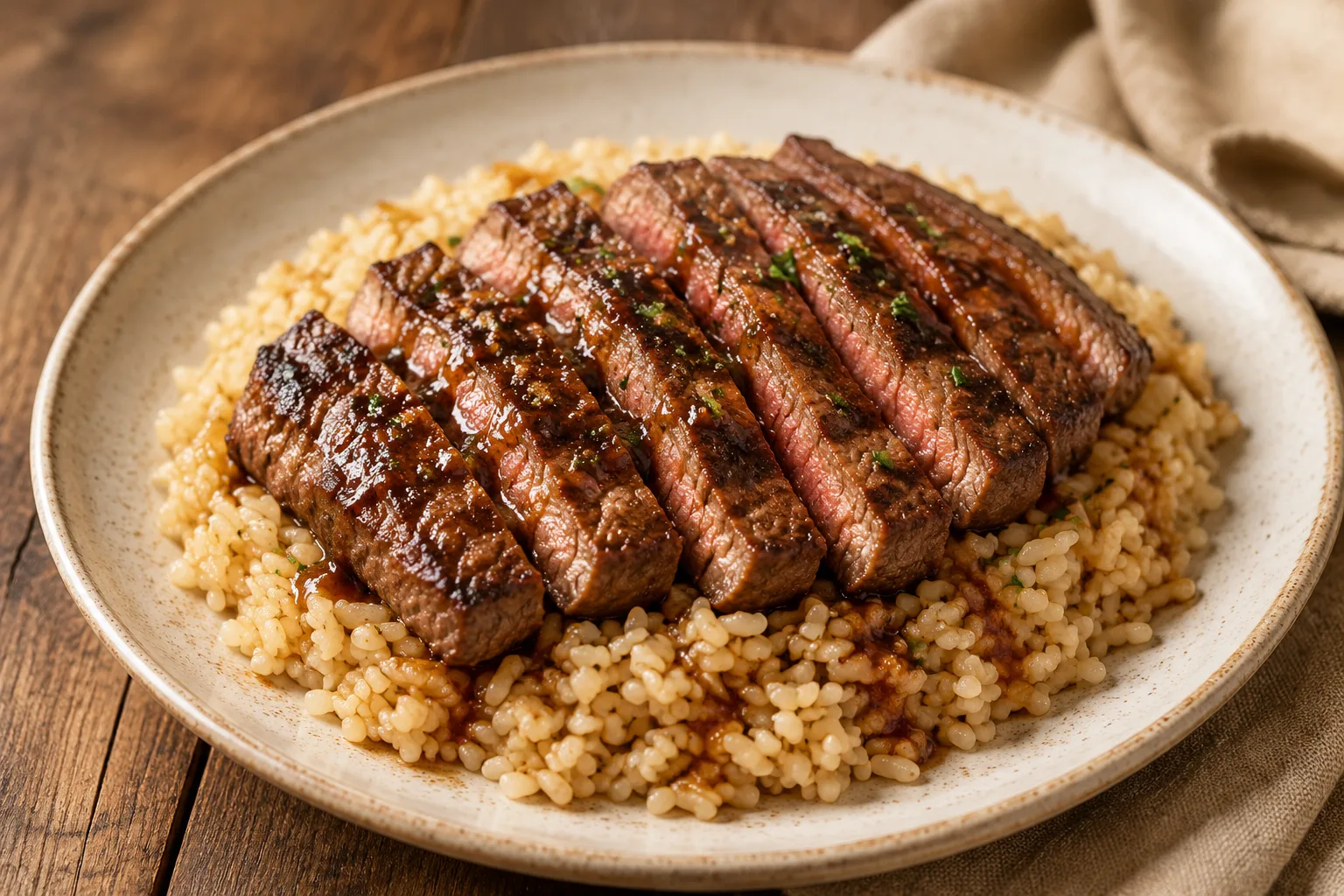
Family Meal Pickup skips the subscription structure entirely. You order online through Toast whenever you actually want dinner - no phone call, no quote, no account you have to remember to pause. Five dishes rotate on the menu: American Hearty Beef Stew with a dinner roll at $21 a person, Lemon Herb Grilled Chicken with brown rice and special sauce at $21, Grilled Pesto Salmon with pasta and brussels sprouts at $25, Lemon Herb Grilled Steak with brown rice and special sauce at $26, and Tenderloin Roast Beef with mashed potatoes and green beans at $26. Every plate already includes an appetizer (falafel or cauliflower falafel), a mixed green salad with ranch or blue cheese sauce, and a Mixed Fruit Cup for dessert - nothing to prep, nothing to cook. The only structural rule is a 3-person minimum per pack, and you can mix and match across all five dishes to hit it.
Food Waste Is the Hidden Cost of a Fixed Schedule
The real cost of a subscription rarely shows up as a bad per-meal price - it shows up the week you traveled, ate out twice, or had a kid's schedule blow up your dinner plans, and the box still arrived. Unless you caught the pause deadline days in advance, you paid full price for ingredients that sat in the fridge until they weren't good anymore. Ordering one meal at a time flips that risk: you only ever pay for a dinner you're actually eating that week, because there's no standing order to remember to cancel. A quiet week means you simply don't place an order - nothing to pause, nothing wasted.
Comparing Cost Per Meal, Honestly
A fixed subscription bills the same amount whether you cook every meal it sends or let half of them go unused, so its real cost per meal you actually eat climbs any week your plans change. Family Meal Pickup pricing is transparent because it never moves: a family of four ordering Lemon Herb Grilled Chicken pays $84 for that dinner, full stop, and that's the only dinner they're charged for. Order Grilled Pesto Salmon instead and the same family pays $100; skip a week entirely and the bill for that week is zero. There's no plan tier to downgrade and no cancellation window to track - the price you see per person is the price you pay, only on the weeks you actually order.
When a Subscription Model Actually Makes Sense
None of this means a subscription is a bad idea for every household. One that wants to actually build cooking skills, has a genuinely fixed weekly headcount, and doesn't mind 30 to 45 minutes of prep most nights can get real value out of a recipe-driven box - that's a different product solving a different problem than a finished, ready-to-eat dinner. The mismatch shows up for households whose weeks aren't that predictable, or who are searching for family meal plans because they want dinner solved, not a cooking project added to an already full evening.
Testing Which Model Actually Fits Your Household
The lowest-risk way to compare the two is to try one-off ordering for a single week and see how it actually fits, since there's no plan to cancel if it doesn't work out. Order Family Meal Pickup once, pick it up the next day, and weigh the real dinner-on-the-table time against what a subscription box would have cost that same week, prep included. For more on the mechanics of placing that first order, see how Family Meal Pickup ordering works; if you're specifically weighing the dollar difference between the two models, our family meal cost per person guide breaks down the math further.

Ordering When You Actually Need It
Placing an order takes a few minutes: browse the five dishes on the Family Meal Pickup menu, mix and match to hit the 3-person minimum, choose a pickup window for the next day, and pay online - no call and no quote required, and pre-ordering at least a day ahead is the only lead time to plan around. If the group you're feeding is bigger than a household - a team lunch, a client meeting, an office of 10 or more - that's a different product built for headcount and quoted directly rather than ordered online; see Office Catering or request a quote for that scale instead. For a weeknight dinner or a weekend where cooking isn't happening, Family Meal Pickup handles it without asking for a weekly commitment first.